How Colleges Can Comply with Web-Accessibliity Laws

Colleges are rushing to adopt emerging technologies, but new Department of Justice regulations remind institutions of a more basic imperative: making their websites accessible to all users. With an estimated cost of $7 billion to higher education, the standards (which have been in place since 2018) affect every corner of campus digital life, from course materials to administrative services.

Watch now

Available now: How can colleges prioritize effectively while managing limited resources

The stakes are high. Twenty-one percent of college students report having disabilities that affect their ability to access digital content. Yet many institutions manage thousands of websites containing millions of pages that now require review and remediation by April 2026.

What does the path forward look like?

During this virtual forum, we examined how institutions are:

  • Providing top leadership guidance and direction to ensure prioritization and implementation.
  • Auditing digital content and identifying high-priority areas for remediation.
  • Managing third-party vendor compliance effectively.
  • Building sustainable accessibility-training programs.


Speakers
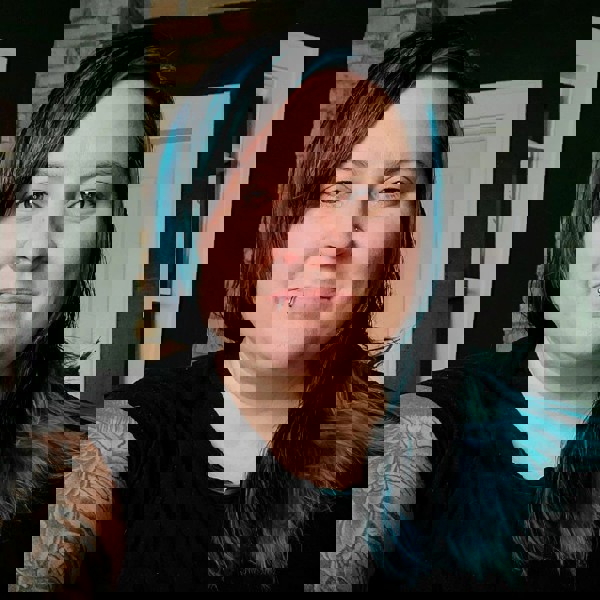
Christina Adams

Senior Manager, Digital Accessibility

Christina Adams is a Certified Professional in Web Accessibility (CPWA) with extensive experience in web development and user experience design. Christina has helped numerous organizations optimize their digital products and processes by combining technical expertise with user-centered design to ensure accessible and innovative solutions empower diverse audiences.

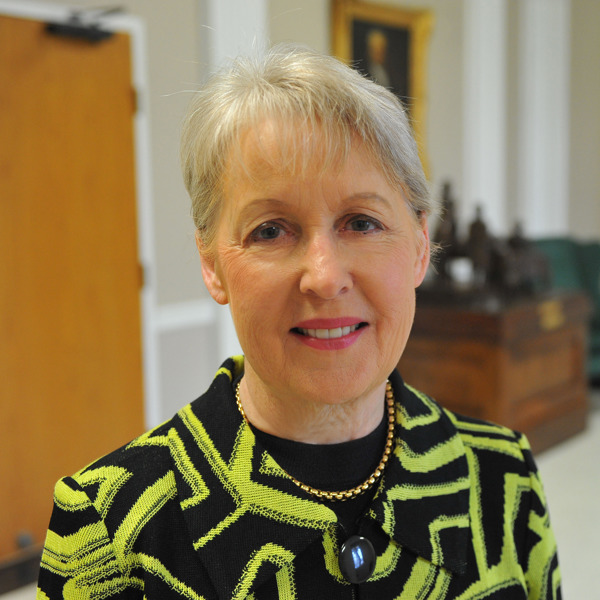
Laura Rothstein, Professor of Law and Distinguished University Scholar Emerita University of Louisville

Laura Rothstein

Professor of Law and Distinguished University Scholar Emerita, University of Louisville

Laura Rothstein is a renowned leader in US legal education and elected member of the American Law Institute. By using her scholarship to 'advocate through education,' she has worked to promote diversity and raise awareness on issues of disability, gender, and race, as well as to develop policy solutions.

Terrill F. Thompson Manager, IT Accessibility Team

Terrill Thompson

Manager, Web Accessibility Team

Terrill Thompson is manager of the Web Accessibility Team at the University of Washington. His team works to promote IT accessibility at the UW by building community, developing resources, delivering lectures and workshops, conducting accessibility evaluations, providing consultation and support to a wide variety of constituents, and conducting research. Terrill has over twenty years experience in the IT accessibility field, and has presented internationally at numerous conferences and consulted widely with local and state government, private industry, and K-12 and postsecondary education entities on IT accessibility issues.

Cyndi Wiley, Digital Accessibility Lead

Cyndi Wiley

Digital Accessibility Lead & Assistant Teaching Professor, Iowa State University

Cyndi (she/they) leads digital accessibility initiatives at Iowa State University, providing vision and strategic direction to drive enterprise-wide compliance. She/they develop policy aligned with federal regulations and cultivate collaborative partnerships that embed accessibility into the fabric of teaching, research, administration, and digital experiences. Cyndi represents ISU in state and federal conversations on accessibility and works closely with vendors and leadership to promote sustainable, innovative solutions. As a scholar and researcher, she/they contribute to the fields of Human-Computer Interaction, User Experience (UX), Design, and Digital Accessibility, advancing a campus digital infrastructure where people are the focus.

Kristina Englund, Digital Experience and Accessibility Specialist

Kristina Englund

Senior Digital Experience and Accessibility Specialist, UMass Office of the President

Kristina England serves as the Digital Experience and Accessibility Specialist for the UMass President’s Office. She reports into the Digital Experience team within University Information Technology Services (UITS). Kristina has worked for the University since April 2005. Before joining UMass as a full-time employee, Kristina was an intern at UMass from 1999 to 2005 while attending undergraduate and graduate school. She is currently a member of the Accessibility Skills Hiring Toolkit Working Group for Teach Access, a non-profit that provides free programs and resources to help students and educators learn the fundamentals of disability and accessibility.